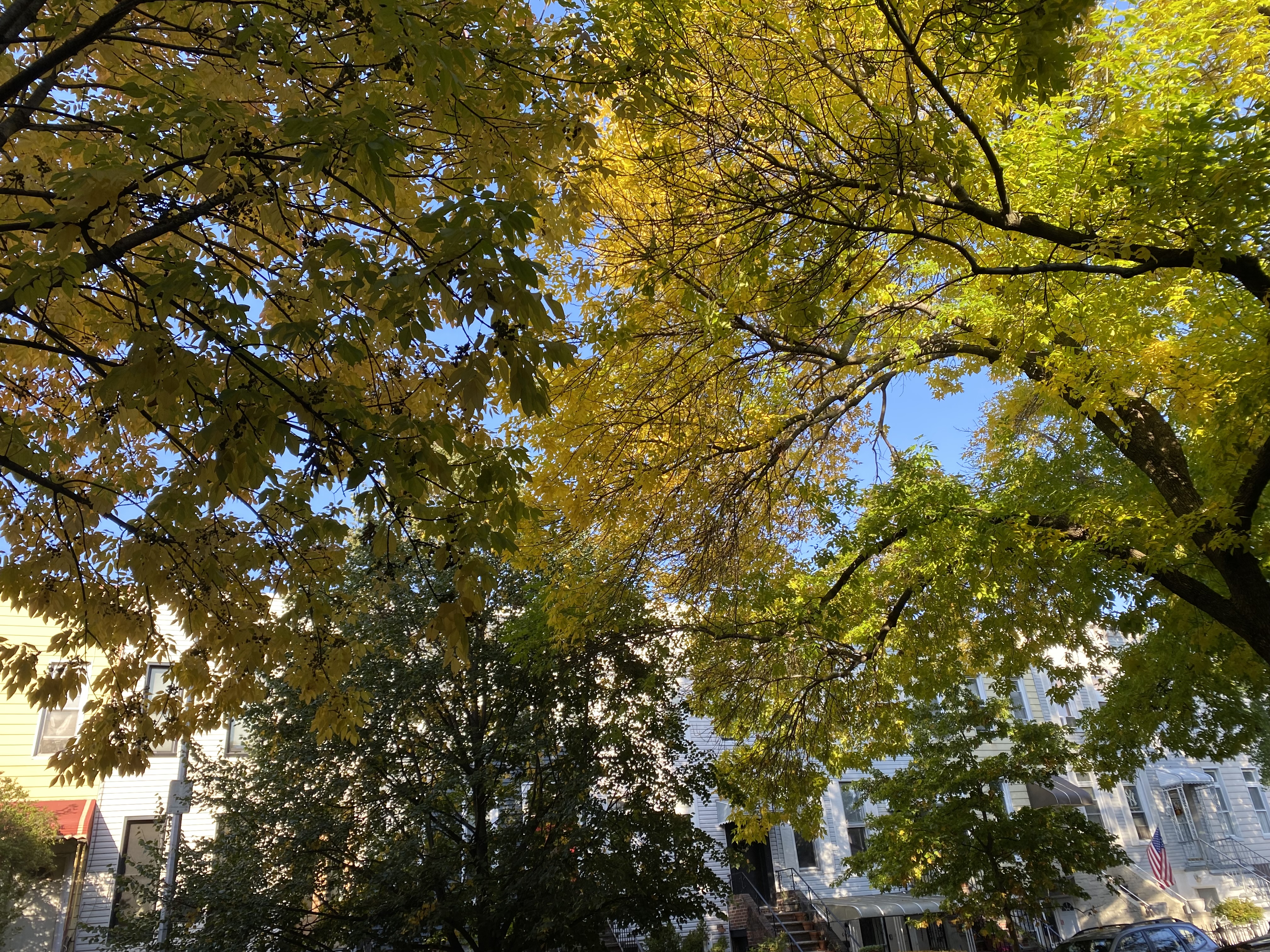
Consider the animals.
We must return and do teshuvah,But it’s not enough to apologize.We must promise to try to save our home, our planet,And the future for everybody.
Consider the animals.
We must return and do teshuvah,But it’s not enough to apologize.We must promise to try to save our home, our planet,And the future for everybody.
Blessed One-ness,
Nuance is abandoned
In this era of existential threats.
Perhaps it was always a middle class luxury.
Now everybody seems to think
The survival of who they are
Is on the line.
But we miss it
And mourn our loss
And pray for its return
Empathy is superfluous
In this time of extreme right and wrong
Perhaps it was just a pretense.
Isn’t it fun to be cruel?
Anyone else’s feelings
Are a bore.
But we miss it
And mourn our loss
And pray for its return
Kindness is for suckers
In this new time of trolls and happy attackers.
Perhaps we just awaited the internet
To show our creepiest sides.
When no one knows your name,
Why care?
But we miss it
And mourn our loss
And pray for its return
Grief is the outcome
So let us sit on the ground
In this time of communal sorrow
And pound the passive floor.
Let us be angry
At the unnecessary pain.
We do miss who we thought we were.
We shall mourn all the murdered.
We must pray we improve.
Amen
In this holy space that is Independence Day
We can pause our pain
And look for compassion
And then for truth
Before we decide upon
Our response.
In this holy space that is Independence Day
We can pray to observe others’ anger
With tenderness
And understanding
Before we choose
Our reaction.
In this holy space that is Independence Day
We can stop and note,
With honest respect,
All ambient sounds and feelings
And then decide for freedom
And hope.
Blessed Holy Wholeness,
The Powers That Be
May be
In power
For now.
Blessed Wholeness,
What do we see when we look?
Do we see it even if we’re not looking?
Where should we look?
What if we don’t know we’re seeing it?
Is it in the forest? The neighborhood? A pew?
What about dogs?
When is it easy to spot?
Is it just a projection?
Does it know when we’re sorry?
What looks at us?
Where is it watching from?
Does it form an opinion?
Does it see us even if no one else does?
Does it see us when we’re wrong?
Does it ever apologize?
Does it make jokes?
Is it everywhere?
Are we alone?
What do we see when we see ourselves?
Is self-delusion sometimes appropriate?
If we see something, should we say?
Or if we see it, is it better to be nice?
What if it’s none of our business ?
But what if it’s the truth?
Who gets to say what is true?
What if the truth is annoying?
Can being seen be more important than being loved?
I see.
I don’t see.
I am seen.
I am not seen.
I need truth.
I need delusion.
I miss my old dog.
I apologize.
I accept your apology.
Amen
To me, the service is a story which makes the congregant the protagonist. And the protagonist should be at least a little transformed at the end of a story, which is hard to do when you don’t know what’s going on. So if you’re re interested in learning about what you’re saying and singing on Shabbat mornings, let me help you make it your story.
In my opinion, the two words that sum up my kind of Judaism are Obligation (to community, ethics, tikkun olam, teshuvah, learning, etc. ) and Doubt (we love questions!) No faith or belief necessary although welcome if you’ve got it. Personally, I hold at least two contradictory ideas in my head about God-ness at the same time most of the time.
We can design a learning agenda that’s specific for you but what I usually do is go through the entire Shabbat morning service from the first Modeh Ani (I give thanks) to the kiddish and V’shamru we can go fast or slow, and, if you want, stopping during holidays to study rhe holiday liturgy and, at any point, writing your own versions of the prayers.
There’s reading material for learning detailed history and tradition (which you can read or not as you desire ) but the heart of it is you and I going through the service and talking about what each component means personally, spiritually, politically, theologically, all of it.
We can do this via zoom or in person.
Email me at Trisha.arlin@gmail.com if you’re interested
Trisha
“Between stimulus and response there is a space. In that space is our power to choose our response. In our response lies our growth and freedom.” Viktor Frankl
In this holy space that is Shabbat day
We can pause our pain
And look for compassion
And then for truth
Before we decide upon
Our response.
In this holy space that is Shabbat day
We can pray to observe others’ anger
With tenderness
And understanding
Before we choose
Our reaction.
In this holy space that is Shabbat day
We can stop and note
All ambient sounds and feelings
And then, with honest respect,
Decide for freedom and
A deep rest.
Amen